She converts artistic excellence into visibility, visibility into institutional access, and access into resources for women who will never receive a Grammy. That chain of conversion — not the awards — is what makes her significant.
Writer Tallulah Patricia BärEssay · Cultural power9 min read
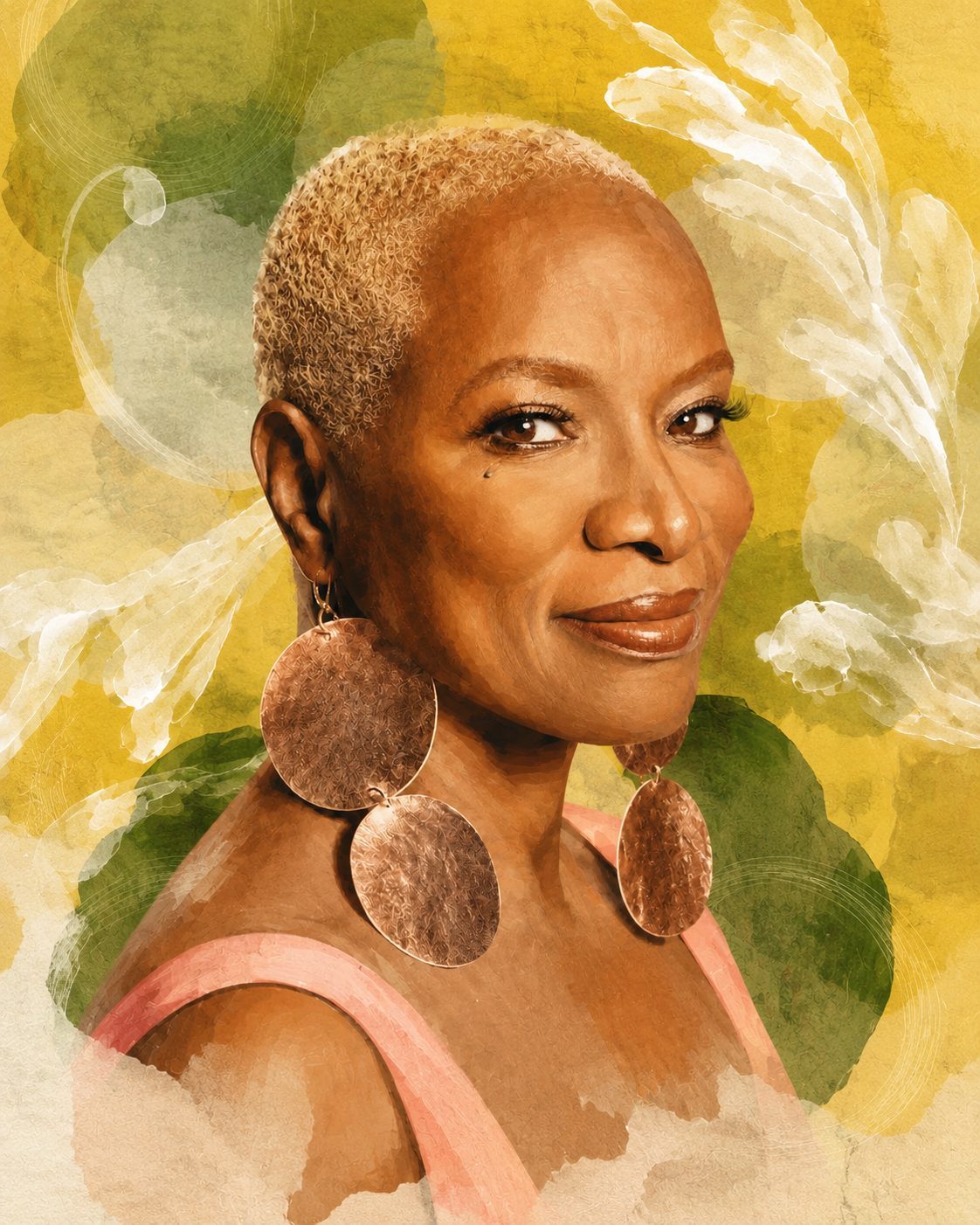
Angélique Kidjo can credibly be described as a woman of exceptional impact — but the nature of that impact must be defined carefully. Her significance does not rest only on fame, awards, or philanthropic activity. It lies in her ability to convert cultural authority into four distinct forms of power: narrative power, institutional access, economic opportunity, and political voice.
Her cultural impact is global and historically significant. Her activist record is unusually sustained for a major entertainer. Her socioeconomic contribution is tangible, above all through the Batonga Foundation. She stands as a cultural power broker and institution-builder: someone who changes what is visible, what is valued, who gains access, and where resources and attention are directed.
Cultural power
changing who is recognised as a producer of modernity
For more than four decades, she has challenged the positioning of African artists as peripheral contributors to a supposedly Western centre of global music. Her music moves between Beninese traditions, Afrobeat, jazz, funk, soul, salsa, pop, reggae, gospel, and classical composition. This is sometimes described simply as “fusion,” but that term understates what she is doing. Kidjo does not merely combine genres. She exposes the African foundations already present within many forms of global popular music.
Her 2018 reinterpretation of the Talking Heads album Remain in Light is a particularly strategic example. The original record was heavily influenced by African polyrhythms and the work of Fela Kuti. By reinterpreting it from her own African musical position, Kidjo was not simply covering a Western classic. She was reversing the conventional direction of cultural authority: an African artist was interpreting — and, in a sense, reclaiming — a Western album already indebted to African creativity.
Her Grammy-winning album Celia performs a similar intervention. Rather than treating salsa as an isolated Latin American genre, her tribute to Celia Cruz foregrounds its African and diasporic foundations. It restores West Africa to a history of Caribbean music from which Africa is often aesthetically present but intellectually absent. Kidjo contests that hierarchy: she positions Africa not as a supplier of cultural material for others to refine, but as a source of knowledge, innovation, and contemporary global culture.
“If Africa is represented as a place of tradition but not innovation, rhythm but not intellect, raw talent but not authorship, then African cultural production can be consumed without African people receiving equal authority.”
Representation as institutional disruption
what recognition opens
Representation becomes powerful when it changes access to institutions, resources, and standards of legitimacy. Kidjo’s institutional record is extraordinary.
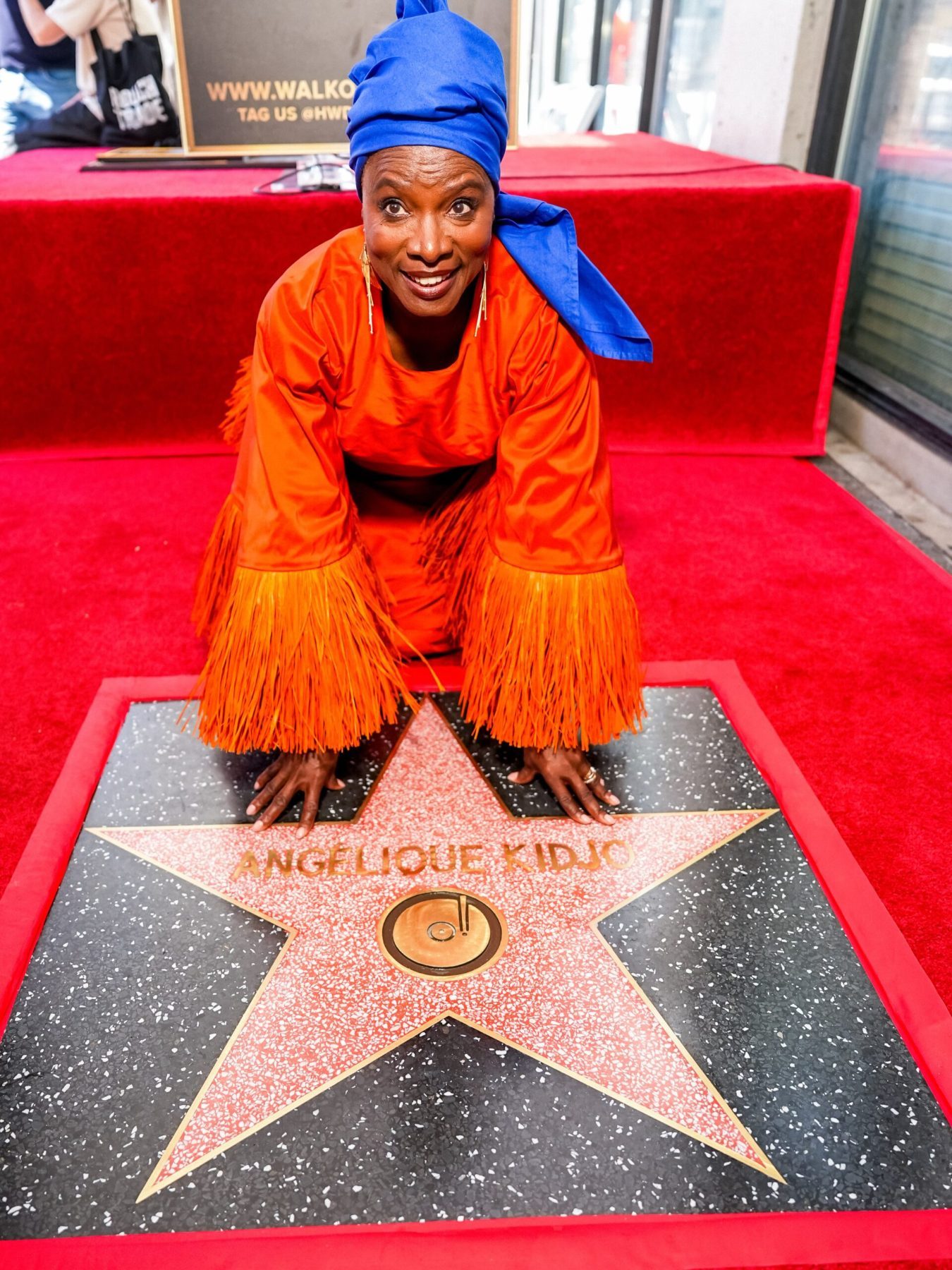
In August 2026, she became the first African musician and first Black African person to receive a star on the Hollywood Walk of Fame. That this milestone occurred only in 2026 is itself revealing. African music has influenced global culture for generations, yet one of the Western entertainment industry’s most visible institutions took more than six decades to recognise a Black African artist in this way.
The star · 19 August 2026
First African musician on the Hollywood Walk of Fame
Kidjo’s presence inside these institutions disrupts the assumption that artistic excellence, modernity, and global authority naturally belong elsewhere. She appears not as an anonymous bearer of “African culture,” but as a composer, intellectual, collaborator, activist, institution-builder, and global authority. She is not simply included within an existing canon; she forces the canon to explain why someone of her stature was ever considered peripheral.
The economics of cultural legitimacy
attention as a form of capital
Her career has generated economic activity across recording, touring, festivals, orchestras, publishing, film, fashion, cultural diplomacy, and international collaboration, supporting musicians, producers, technicians, venues, and promoters over several decades. A 40-year international career encompassing major labels, global touring, 18 albums, Grammy-winning projects, symphonic productions, and collaborations across several continents places her within the infrastructure of the international creative economy.
More strategically, she has accumulated something more powerful than visibility: cultural legitimacy. Legitimacy affects who receives invitations, collaborations, festival bookings, institutional partnerships, press coverage, grants, and investment. When Kidjo records with Burna Boy, Yemi Alade, Sampa the Great, Mr Eazi, Davido, Ayra Starr, and other younger artists, she helps connect generations and markets. Her endorsement does not create their talent, but it can move attention, audiences, and institutional credibility towards them.
This was especially visible on Mother Nature, which brought Kidjo together with a new generation of African and diasporic musicians and won the 2022 Grammy for Best Global Music Album. Alicia Keys, writing for the TIME100, specifically identified Kidjo’s willingness to use her platform to elevate younger artists as part of her influence. Attention functions as a form of capital: her intergenerational collaborations circulate it instead of concentrating it around her own name.
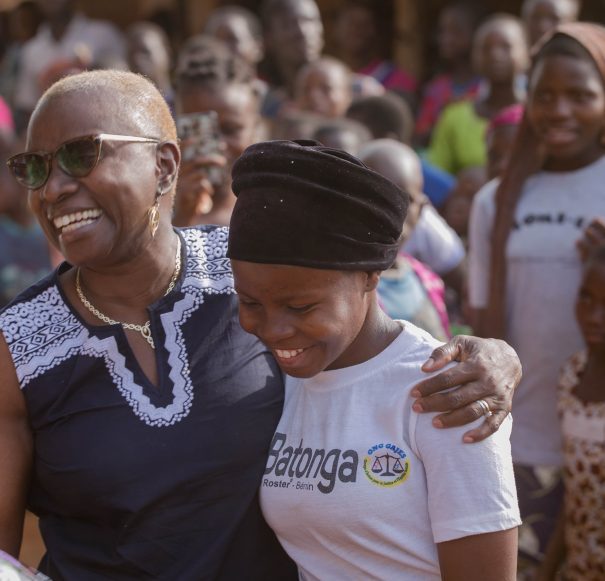
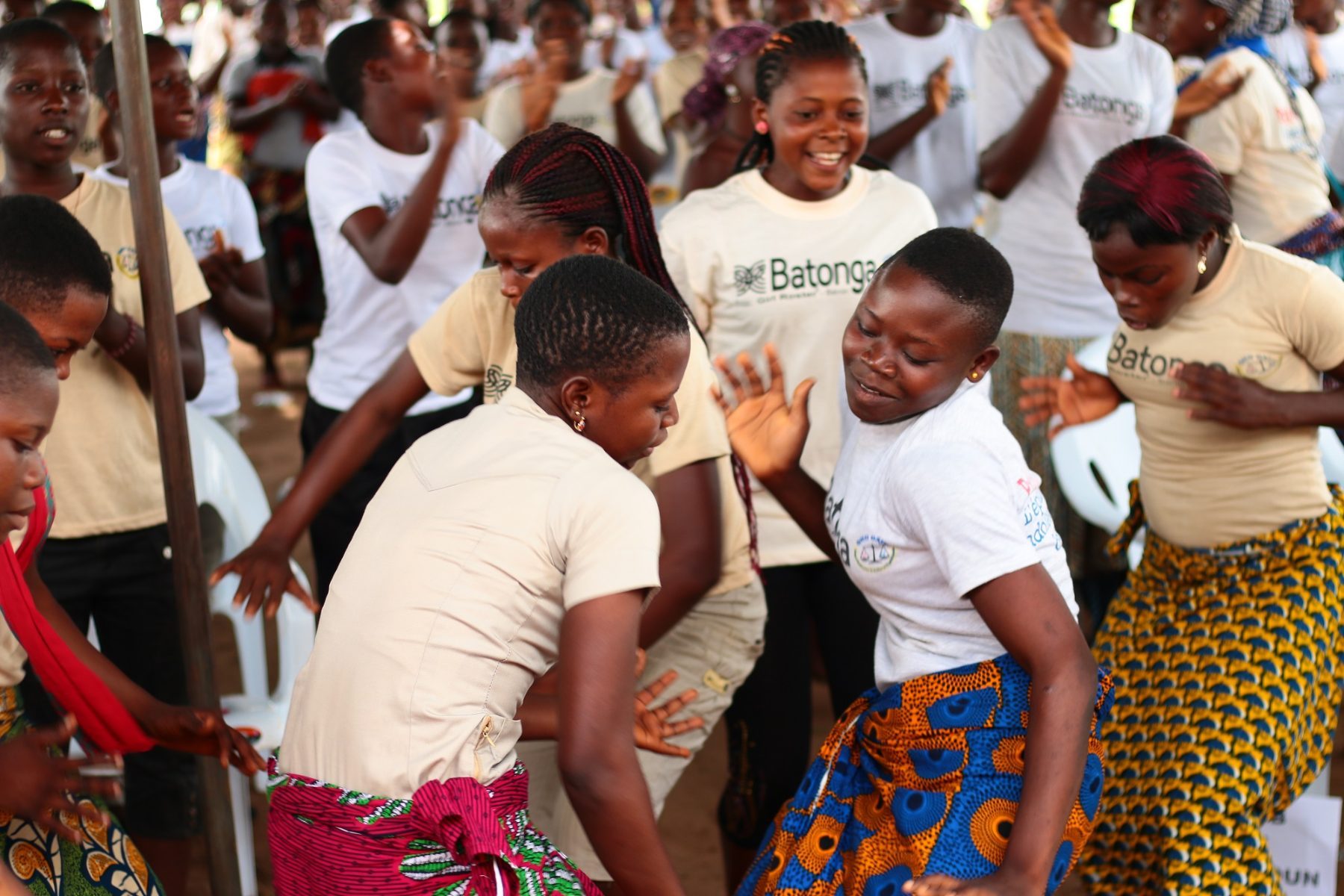
Batonga focuses on adolescent girls and young women who are often missed by government services and conventional development programmes. Its model combines safe spaces, local mentors, leadership development, financial education, vocational training, business coaching, community engagement, and advocacy.
adolescent girls with access to safe spaces and weekly classes
239+
girls’ leadership clubs across 83 communities in Benin and Senegal
1.7M+
reported audience of its community radio programming
7,000
young women in the economic-empowerment programme
124+
local mentors, plus 120+ business coaches
400+
women leaders in its francophone advocacy network, across 22 countries
Programme figures published by the Batonga Foundation.
The economic logic of this work matters. Batonga does not approach girls and women only as vulnerable beneficiaries requiring protection. It approaches them as economic actors whose exclusion represents a loss of talent, income, leadership, and local productive capacity. Its programmes support income-generating plans, financial literacy, vocational skills, savings practices, and business networks. Some business circles are organised along connected local value chains — agricultural producers selling crops to women who process those crops into marketable products — keeping economic value circulating within communities rather than treating entrepreneurship as an isolated individual activity.
Batonga recognises that women require networks, mentors, community legitimacy, market relationships, and changes in social norms — not only personal confidence. Its inclusion of men and boys follows the same logic: the foundation identifies and trains male community members to challenge practices and beliefs that restrict girls, acknowledging that girls cannot individually “empower” themselves out of systems maintained by families, institutions, and gendered power relations.
Aspiration, agency, community norms
authority and joy in the same public identity
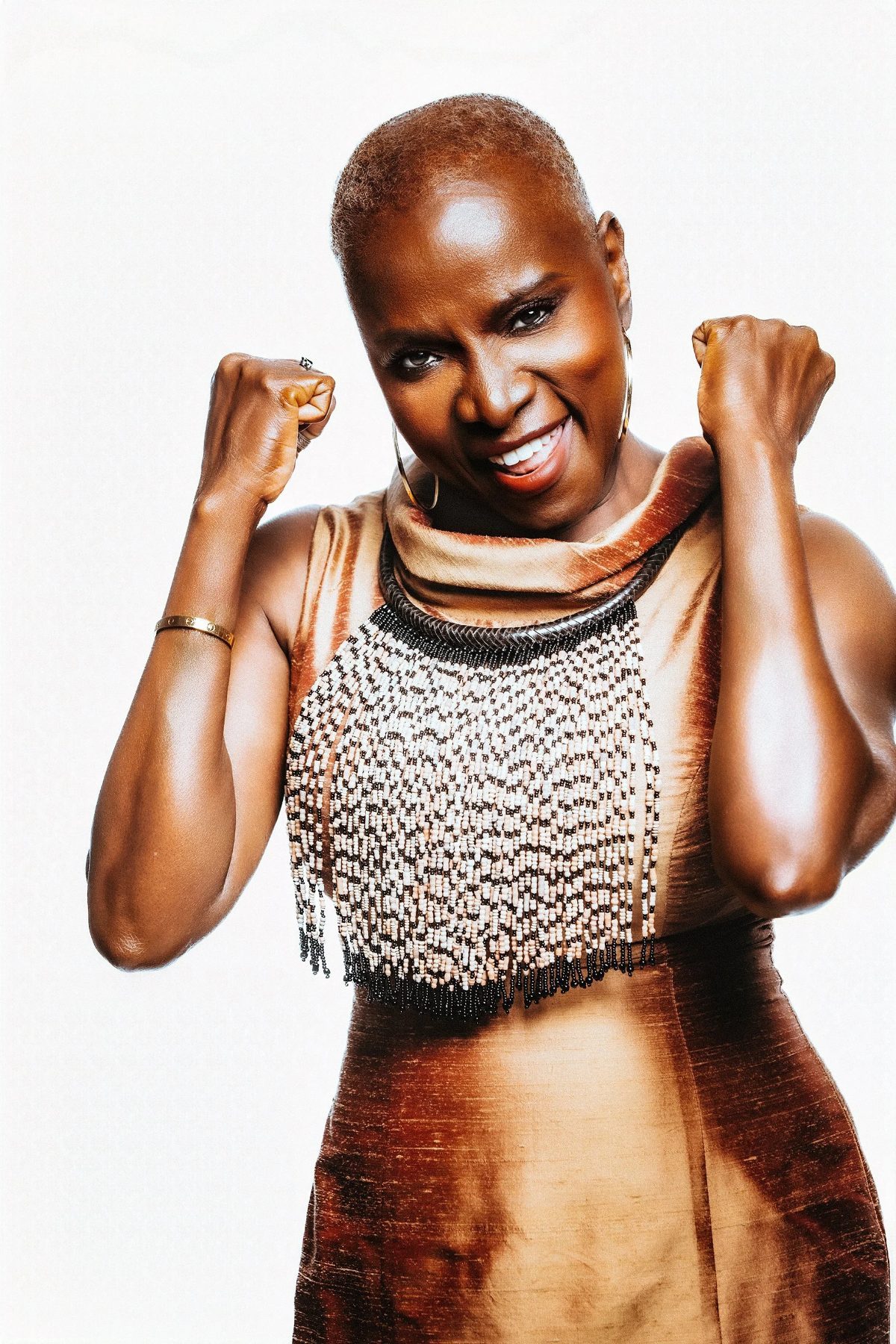
At the symbolic level, she represents a model of African womanhood that is expressive, intellectual, economically independent, politically outspoken, culturally rooted, and internationally mobile. She complicates the limited roles often made available to Black African women in global culture: victim, caregiver, exotic performer, or inspirational exception.
African women’s resistance is often made visible only through pain, trauma, or sacrifice. Kidjo makes joy, movement, beauty, humour, and musical pleasure part of political expression. She demonstrates that cultural celebration and political seriousness are not opposites.
At the institutional level, Batonga’s girls’ clubs and women’s business circles seek to build what practitioners sometimes call social, cognitive, civic, and economic assets: the ability to speak publicly, understand money, negotiate within a household or community, access mentors, participate in collective decision-making, and imagine a future beyond prescribed gender roles. A girl who gains a mentor, remains connected to education, learns financial skills, or sees women managing a collective fund is not merely receiving information. She is encountering a different social model of what women are allowed to do. Kidjo’s achievement is not encouraging individual girls to “believe in themselves” — it is helping construct environments in which their ambitions become practicable.
Celebrity activism is often episodic: an artist endorses a campaign, appears at an event, and moves on. Kidjo’s record is more substantial. Her documented work has addressed girls’ education, vaccination, nutrition, conflict, climate change, female genital mutilation, and children’s rights. She has travelled to Benin, Ethiopia, Uganda, Lebanon, and Côte d’Ivoire to support or bring attention to UNICEF programmes, and in 2007 participated in launching the All Girls to School campaign in Benin.
During the COVID-19 pandemic, she recorded a new version of Miriam Makeba’s Pata Pata as a public-health intervention. UNICEF reports that the song was broadcast by more than 100 radio stations across Africa and reached tens of millions of people. Where public institutions may not reach every community, a familiar song, a trusted artist, and a radio network can distribute health information across linguistic, geographic, and educational boundaries. Her cultural credibility becomes a delivery mechanism.
Her activism also has biographical credibility. Kidjo left Benin after refusing to submit her artistic expression to an authoritarian government. Amnesty International noted this history when awarding her its Ambassador of Conscience Award in 2016, alongside the movements Y’en a Marre, Le Balai Citoyen, and LUCHA, recognising her work on freedom of expression, girls’ education, and opposition to female genital mutilation. She does not treat activism as a separate brand attached to an otherwise apolitical career.
Cultural diplomacy and soft power
what becomes thinkable once the narrative changes
Soft power is the ability to shape how people understand a country or culture through attraction, credibility, and meaning rather than coercion. Kidjo has exercised it by presenting Benin and Africa as sources of artistic sophistication, philosophical knowledge, historical depth, and future-oriented creativity. She refuses to let crisis become the continent’s only globally legible identity.
Her message is strategically different: Africa possesses talent, knowledge, cultural capital, markets, and young people in whom the world should invest. It expands the narrative conditions under which new policies and investments become thinkable — and it connects Benin to international institutions in a way few formal diplomatic campaigns could reproduce.
Strategic assessment
four layers of lasting influence
Cultural — exceptional
She has changed how African music and African female authorship are encountered in global institutions, using albums as forms of historical interpretation.
Activist — substantial
Two decades with UNICEF, the creation of Batonga, and a willingness to confront political repression demonstrate consistency beyond occasional advocacy.
Socioeconomic — concrete
Programmes reach thousands of girls and women with financial, vocational and enterprise-building components delivered by local mentors and coaches.
Political — agenda-setting
She changes narratives, attracts resources, opens institutions and amplifies the movements that carry them forward.
Conclusion
The chain of conversion
Artistic excellencebecomesvisibility
Visibilitybecomesinstitutional access
Institutional accessbecomesadvocacy
Advocacybecomesresources and programmes
Personal successbecomesa platform for others
That chain of conversion is what distinguishes genuine cultural leadership from celebrity. Kidjo is not important simply because she has succeeded within global institutions. She is important because she has repeatedly used the authority those institutions gave her to challenge their underlying cultural hierarchies, restore African authorship, open space for others, and build an organisation that directs skills, networks, and resources towards women who are unlikely to receive a Grammy, a global stage, or a Hollywood star.
Her impact is therefore simultaneously symbolic and material, individual and collective, African and diasporic. She has built one of the most coherent examples of how cultural power can be transformed into sustained social, economic, and activist agency.